If you are completely new to Salvia divinorum, browsing product descriptions can feel like learning a new vocabulary all at once.
One page talks about dried leaves. Another says powder. Then you encounter tinctures, extracts, and labels such as 5x, 10x, 20x, or 40x.
It is easy to assume these terms are simply different names for stronger or weaker versions of the same product.


They are not.
Some terms describe physical form. Others describe processing or concentration. A few can mean slightly different things depending on how a seller labels its products.
Understanding that difference is one of the simplest ways to make sense of Salvia divinorum without getting lost in marketing language.
This guide starts with the plant itself and then breaks down the main forms one by one: whole dried leaf, powder, tincture, and extract. The goal is not to tell anyone which form is “best.” It is to explain what the words actually mean so readers can understand what they are looking at.
Table of Contents
- Start With the Plant, Not the Product
- Why Product Form and Concentration Are Different Things
- What Are Dried Salvia Divinorum Leaves?
- What Does Salvia Divinorum Powder Mean?
- What Is a Salvia Divinorum Tincture?
- What Is a Salvia Divinorum Extract?
- Understanding 5x, 10x, 20x and Similar Labels
- Why Extract Numbers Need Context
- Leaf vs Powder: What Actually Changes?
- Tincture vs Extract: Why the Terms Can Be Confusing
- What Good Product Descriptions Should Tell You
- Packaging and Storage Information Matter
- Common Labeling Mistakes New Buyers Make
- A Simple Comparison of the Main Forms
- Frequently Asked Questions
- Final Thoughts
Start With the Plant, Not the Product
Before talking about powders or extracts, it helps to know what they originate from.
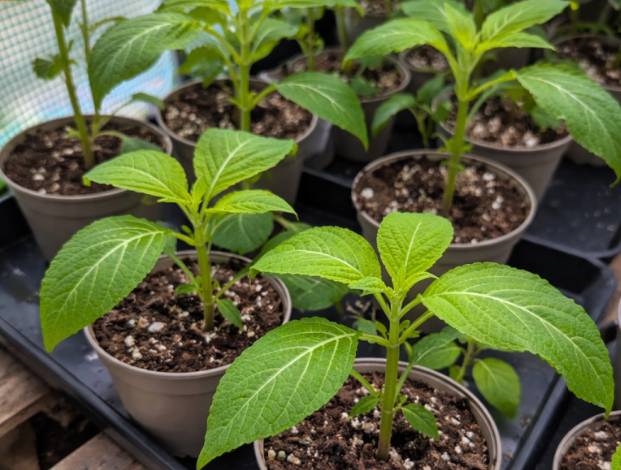
Salvia divinorum is a distinct perennial species in the mint family, Lamiaceae. Its native range is associated with Oaxaca in southwestern Mexico.
That full botanical name is important because Salvia is an enormous genus containing many different plants. Garden sages, culinary sage, ornamental salvias, and Salvia divinorum are not interchangeable simply because they share a genus.
Every legitimate product description should therefore start with clear species identification.
That may sound basic, but it solves one of the biggest problems for newcomers: knowing exactly which plant a product came from.
Once the species is clear, product-form terminology becomes much easier to understand.
Why Product Form and Concentration Are Different Things
This is probably the single most useful distinction in the entire article.
Physical form tells you what the material looks like or how it is presented.
Examples include:
- whole or broken dried leaf;
- powder;
- liquid preparation;
- or extract-coated material.
Concentration, on the other hand, describes something about how concentrated a preparation is intended to be relative to ordinary plant material.
Those two concepts can overlap, but they are not the same.
For example, the word powder does not automatically mean concentrated.
A powder could simply be dried leaf that has been finely ground.
Likewise, the word extract does not tell you everything about its physical presentation. You still need to read the product description.
The easiest rule is:
Never assume that physical form tells you concentration.
That one habit makes product comparisons much clearer.
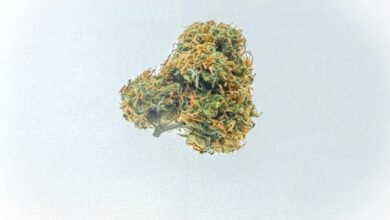
What Are Dried Salvia Divinorum Leaves?
Dried leaf is one of the easiest forms to understand.
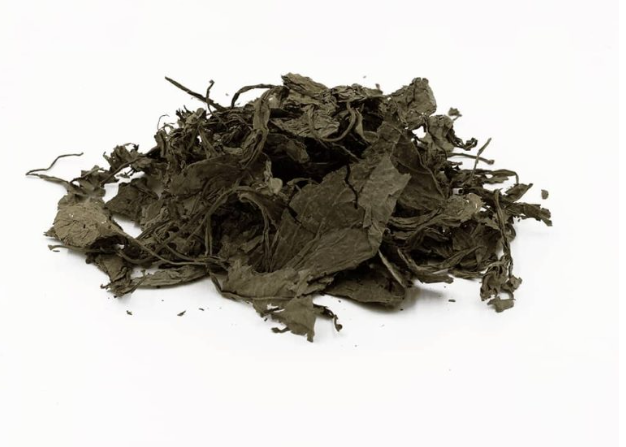
Leaves are harvested from the plant and dried, leaving recognizable botanical material rather than converting it into a liquid or concentrated preparation.
Depending on handling and packaging, dried leaves may remain relatively whole or naturally break into smaller pieces.
A good dried-leaf listing should make several things clear:
- the botanical species;
- the amount supplied;
- whether the material is whole or broken;
- how it is packaged;
- and any relevant storage information.
The important point is that plain dried leaf is not the same thing as an extract.
Both may originate from Salvia divinorum, but processing changes the finished product.
That distinction becomes especially important when comparing prices or reading strength-related terminology.
What Does Salvia Divinorum Powder Mean?
“Powder” sounds more technical than it usually is.
At its simplest, powder describes a physical state: plant material that has been ground into much smaller particles.
Imagine dried leaves being broken down until the original leaf structure is no longer obvious.
That can make material:
- more compact;
- more uniform in texture;
- easier to measure by weight;
- and visually different from whole dried leaves.
What the word powder does not automatically tell you is whether the material has been concentrated.
That is where buyers need to read carefully.
If a listing says only:
Salvia powder
useful questions remain unanswered.
Is it plain powdered leaf?
Is it an extract in powdered form?
What amount is supplied?
What botanical material was used?
A clear seller should answer those questions rather than relying on the word “powder” alone.
What Is a Salvia Divinorum Tincture?
A tincture is a liquid botanical preparation.
That already makes it fundamentally different from dried leaf and powder, which remain solid plant-derived materials.
The word has a long history in herbal preparation and generally refers to plant constituents being carried in a liquid medium.
However, the term alone does not tell you the exact composition or concentration of a particular commercial product.
That means the useful information is on the label or product page.
A good tincture description should clearly identify things such as:
- botanical species;
- bottle volume;
- liquid preparation type;
- stated concentration or product tier, if applicable;
- packaging;
- and storage information.
Two bottles that are physically the same size are not necessarily equivalent products.
Likewise, a larger bottle does not automatically mean a more concentrated preparation.
Volume and concentration are separate measurements.
This is another example of why product terminology should be read as a complete description rather than one attention-grabbing word.
What Is a Salvia Divinorum Extract?
An extract involves concentrating plant-derived material rather than simply drying or grinding leaves.
That is the key conceptual difference.
Plain leaf retains the starting botanical material in a relatively recognizable state.
Extraction introduces an additional processing step intended to create a more concentrated preparation.
When researching salvia divinorum extracts, readers should therefore look for more than the word “extract.” A useful listing should also explain the product’s form, stated concentration tier, quantity, botanical source, and labeling system.
This matters because extract terminology varies far more than newcomers often realize.
A large number printed beside the word “extract” may be the first thing people notice.
It should not be the last thing they read.
Understanding 5x, 10x, 20x and Similar Labels
One of the most distinctive features of commercial Salvia extract terminology is the use of multiplier labels.
You may encounter:
- 5x;
- 10x;
- 20x;
- 40x;
- 60x;
- 80x;
- 100x;
- or other ratios.
These numbers are generally intended to place preparations at different points within an extract range.
The easiest way to understand them is as product-tier or concentration-ratio terminology, not as a complete laboratory report.
A 20x label tells you that the product is being presented within a different concentration category from a 5x product.
It does not tell you everything about the finished material.
The source leaf, extraction process, consistency, and labeling method still matter.
Why Extract Numbers Need Context
Consumers have become accustomed to highly standardized numbers.
Nutrition labels provide exact amounts.
Many regulated cannabis products list measured cannabinoid percentages.
Laboratory reports may describe compounds in milligrams or percentages.
The “x” terminology associated with Salvia divinorum should not automatically be interpreted in exactly the same way.
A multiplier is not, by itself, a universal laboratory measurement.
That means two products carrying the same multiplier from different sources should not automatically be assumed to be chemically identical.
This is why transparent descriptions are so useful.
A strong product page explains how a particular extract fits within the seller’s own range instead of expecting the number itself to answer every question.
For readers, that approach is far more informative.
Leaf vs Powder: What Actually Changes?
Suppose two products contain the same basic dried botanical material.
One is presented as recognizable leaf pieces.
The other is finely powdered.
What changed?
Primarily, the physical form.
Grinding affects:
- particle size;
- appearance;
- density;
- handling;
- and packaging.
It does not automatically mean that the plant material has been chemically concentrated.
This distinction is useful because product names sometimes make powder sound like a completely separate botanical category.
It is better to think of it as a presentation format unless the listing specifically explains additional processing.
That is why the words surrounding “powder” matter.
Powdered leaf is much more informative than simply powder.
Tincture vs Extract: Why the Terms Can Be Confusing
This is where terminology gets slightly more complicated.
A tincture is technically a form of botanical extraction because plant constituents are transferred into a liquid preparation.
However, commercial product categories often separate tincture from extract because shoppers use the terms to describe different finished forms.
In practical ecommerce language:
Tincture usually identifies a bottled liquid preparation.
Extract often refers to a concentrated non-liquid botanical preparation categorized with multiplier labels.
That is why a website may have separate sections for:
- tinctures;
- extracts;
- leaf;
- and powder.
The categories help buyers understand the physical products even though some of the underlying processing concepts overlap.
New readers do not need to memorize technical extraction chemistry.
They simply need to understand that the product category and the processing method are related but not always identical terms.
What Good Product Descriptions Should Tell You
A good listing should reduce uncertainty.
After reading it, you should know what the product is without needing to guess.
For Salvia divinorum, useful descriptions generally answer several basic questions.
What species is it?
The complete botanical name should be stated clearly.
What form is it?
Leaf, powder, tincture, extract, cutting, or plant?
How much is included?
For solid material, this normally means weight.
For liquids, bottle volume should be clear.
For plants or cuttings, quantity and development stage matter.
Is there a concentration label?
If so, what terminology does the seller use?
What does the product physically look like?
Useful photographs should match the description.
How is it packaged?
Packaging information helps distinguish product sizes and forms.
Are storage details provided?
Botanical material can change with moisture, heat, light, and time, so sensible storage information adds value.
The best descriptions answer these questions directly instead of burying them under promotional language.
Packaging and Storage Information Matter
Packaging may seem less interesting than extract terminology, but it tells you something important about how seriously a seller treats product information.
Different forms have different practical needs.
Dried botanical material should be protected from unnecessary moisture.
Powders need packaging that minimizes accidental loss and contamination.
Liquid preparations require appropriately sealed containers.
Product labels should remain readable.
Storage information should also be reasonable for the form being sold.
The point is not that fancy packaging automatically means better material.
It does not.
The point is that clear packaging and storage information make a product easier to identify, compare, and maintain in its intended condition.
Common Labeling Mistakes New Buyers Make
When a botanical is unfamiliar, it is easy to interpret labels too quickly.
Here are several mistakes worth avoiding.
Mistake 1: Assuming powder means extract
It does not necessarily.
Powder may simply describe finely ground dried leaf.
Mistake 2: Assuming every extract with the same “x” label is identical
Different producers may use different starting material and preparation practices.
Mistake 3: Comparing tinctures only by bottle size
Volume does not tell you concentration by itself.
Mistake 4: Assuming whole leaf and extract are interchangeable
They represent different levels of processing.
Mistake 5: Looking only at the strongest number
The largest multiplier on a page may attract attention, but botanical identity, labeling clarity, quantity, and supplier transparency still matter.
Mistake 6: Ignoring the full species name
“Salvia” alone can refer to many different plants.
These are simple mistakes, but understanding them makes the whole marketplace easier to navigate.
A Simple Comparison of the Main Forms
Here is the easiest way to keep the terminology straight.
Dried Leaf
What it describes: Relatively minimally processed dried foliage.
Main distinguishing feature: Recognizable plant material.
What to check: Species, weight, leaf condition, packaging.
Powder
What it describes: Finely ground solid botanical material.
Main distinguishing feature: Particle size and physical presentation.
What to check: Whether it is plain leaf powder or another preparation.
Tincture
What it describes: A liquid botanical preparation.
Main distinguishing feature: Liquid form, usually supplied in a bottle.
What to check: Bottle volume, botanical identity, concentration description, labeling.
Extract
What it describes: Concentrated plant-derived preparation.
Main distinguishing feature: Additional concentration processing.
What to check: Product weight, stated extract tier, what the multiplier means, source material, packaging.
Once these four categories are separated, most product pages become much easier to understand.
Why Clear Terminology Benefits Everyone
Clear terminology is not only useful for buyers.
It benefits publishers, botanical collectors, researchers, sellers, and anyone trying to discuss the plant accurately.
Consider the difference between saying:
“I saw a Salvia product.”
and saying:
“I saw a 10x Salvia divinorum extract listed as one gram.”
The second statement gives considerably more information.
It identifies:
- the species;
- the product category;
- the stated concentration tier;
- and the quantity.
That level of specificity reduces misunderstanding.
It is especially important online, where readers cannot physically inspect a product before interpreting its description.
Product Form Should Come Before Marketing Language
One thing I always recommend when reading a botanical product page is mentally removing all the adjectives.
Ignore words such as:
- premium;
- exceptional;
- powerful;
- rare;
- superior;
- highest quality.
Then ask what factual information remains.
Does the page still tell you:
- the species?
- the form?
- the amount?
- the concentration label?
- the packaging?
- the product category?
If yes, the description is giving you useful information.
If removing the marketing language leaves almost nothing behind, that is worth noticing.
Clear facts should carry the description.
Adjectives should never have to replace them.
Legal Context Is Part of Product Research
The legal treatment of Salvia divinorum varies by jurisdiction.
That means product availability on a website does not automatically tell you whether a particular form can lawfully be purchased, possessed, or received where you live.
Rules can differ between countries, states, and other jurisdictions, and regulations can change.
Anyone researching the plant should therefore check current local requirements independently.
This is particularly important when reading older articles because information that was accurate when an article was written may no longer reflect current law.
Good botanical education includes knowing when information has a geographic and time-sensitive component.
Frequently Asked Questions
Are Salvia divinorum leaves and powder the same product?
Not necessarily, although plain powder can simply be dried leaf that has been ground finely. Check the description to determine exactly what material the powder represents.
Is Salvia divinorum powder automatically stronger than whole leaf?
No. Powder describes physical form and does not automatically indicate greater concentration.
What is the difference between a tincture and dried leaf?
Dried leaf remains solid botanical material, while a tincture is a liquid botanical preparation.
What does “extract” mean?
An extract is a more concentrated preparation produced through additional processing of plant-derived material.
What does 20x mean?
It is a multiplier-style extract label used to place the product within a stated concentration range. It should not automatically be interpreted as a universal laboratory measurement.
Is a 40x extract always exactly twice a 20x extract?
That should not be assumed simply from the labels. Preparation methods and labeling practices can vary, so the seller’s explanation and product specifications matter.
Is tincture strength determined by bottle size?
No. Bottle volume and concentration are separate characteristics.
Why is the full name Salvia divinorum important?
Because the genus Salvia contains many different species. The complete botanical name identifies the specific plant being discussed.
What should beginners check first?
Start with species identity and product form. Once you know exactly what the material is, quantity, concentration terminology, packaging, and other details become much easier to interpret.
Final Thoughts
The vocabulary surrounding Salvia divinorum looks complicated until you separate two basic ideas:
What form is the product in?
and
Has the material been concentrated?
Whole dried leaf is recognizable plant material.
Powder describes material that has been ground into a finer physical form.
Tincture describes a liquid preparation.
Extract describes concentrated plant-derived material, often organized into multiplier-labeled tiers.
Those categories are related, but they do not mean the same thing.
For newcomers, understanding that difference is much more valuable than memorizing a list of product names.
It turns a confusing page of labels into information you can actually interpret.
And that is ultimately what good botanical product education should do: not push readers toward the biggest number or most dramatic description, but give them enough context to understand what the words on the page really mean.