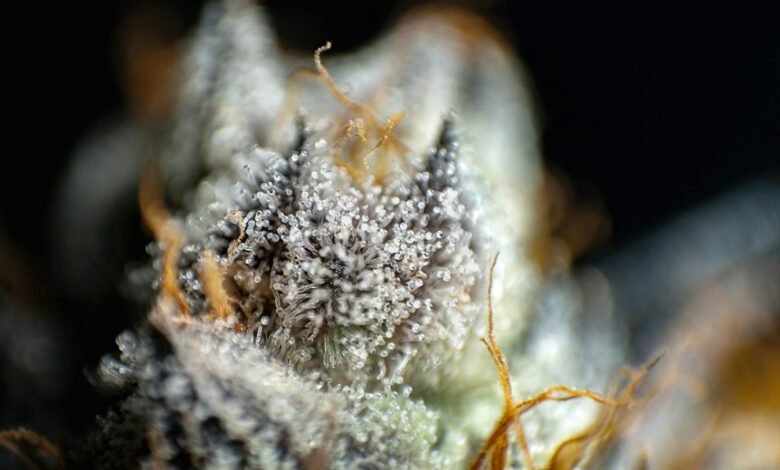
Delta 9 CBD is a cannabinoid derived from the cannabis plant, notable for its unique interaction with the endocannabinoid system. Unlike Delta 9 THC, it does not induce psychoactive effects, making it a subject of interest for those seeking therapeutic benefits. Understanding its properties and potential applications may offer insights into alternative health solutions. However, the complexities of its production and use warrant further exploration.
Understanding Cannabinoids: A Brief Overview
Cannabinoids are a diverse group of chemical compounds that interact with the body's endocannabinoid system, which plays a crucial role in regulating various physiological processes.
Their classification includes phytocannabinoids, endocannabinoids, and synthetic cannabinoids, each with distinct therapeutic applications.
Understanding this classification is essential for exploring how these compounds can aid in health and wellness, offering potential benefits for a range of medical conditions.
What Is Delta 9 CBD?
Delta 9 CBD, a cannabinoid derived from the cannabis plant, has garnered attention for its unique chemical composition and potential therapeutic effects.
This compound interacts with the endocannabinoid system, which may influence various physiological processes and offer a range of benefits.
Understanding its chemical structure and the implications of its use is essential for evaluating its role in wellness and medicinal applications.
Chemical Composition Overview
The intricate chemical composition of Delta 9 CBD reveals its unique properties and potential effects.
Its molecular structure consists of a distinct arrangement of carbon, hydrogen, and oxygen atoms, contributing to its specific chemical properties.
This complex configuration enables Delta 9 CBD to interact with the body's endocannabinoid system, suggesting a nuanced role in influencing physiological processes, while inviting further exploration into its applications.
Effects and Benefits
While exploring the effects and benefits of Delta 9 CBD, one finds a range of potential therapeutic applications that have garnered significant attention in both scientific research and public interest.
These applications, including pain relief and anxiety reduction, align with evolving consumer perceptions that prioritize natural alternatives.
The positive responses from users further indicate a growing acceptance and demand for Delta 9 CBD in wellness practices.
The Differences Between Delta 9 CBD and Delta 9 THC
The distinctions between Delta 9 CBD and Delta 9 THC primarily arise from their chemical structures, resulting in different physiological effects on the body.
While Delta 9 THC is known for its psychoactive properties, Delta 9 CBD does not produce a similar high, leading to varied applications in therapeutic contexts.
Furthermore, the legal status of these compounds varies significantly, influencing their availability and regulation across different jurisdictions.
Chemical Structure Variations
Chemical structure plays a pivotal role in distinguishing Delta 9 CBD from its more commonly known counterpart, Delta 9 THC.
These compounds are structural isomers, sharing the same molecular formula yet differing in arrangement. This variation influences their molecular interactions within the body, leading to divergent properties and potential applications.
Understanding these distinctions is crucial for those seeking informed choices in cannabinoid use.
Effects on the Body
Although Delta 9 CBD and Delta 9 THC share similar chemical structures, their effects on the body differ significantly due to their interaction with the endocannabinoid system.
Delta 9 CBD is primarily known for its pain relief and anxiety reduction properties without inducing psychoactive effects.
In contrast, Delta 9 THC may provide similar benefits but often accompanies a euphoric experience, impacting user freedom.
Legal Status Differences
Understanding the effects of Delta 9 CBD and Delta 9 THC leads to an important distinction regarding their legal status.
Delta 9 THC remains largely regulated and prohibited under federal law, posing significant regulatory challenges.
In contrast, Delta 9 CBD, derived from hemp, has emerged with legal differences that allow for greater accessibility, reflecting a shift towards more progressive cannabis legislation and individual freedom.
How Delta 9 CBD Is Made
The process of creating Delta 9 CBD involves several intricate steps that begin with the extraction of cannabinoids from hemp plants.
Various extraction methods, such as CO2 and ethanol extraction, are employed to isolate the desired compounds.
Following extraction, the production process includes refining and purifying the cannabinoids to ensure a high-quality product, ready for formulation into various consumer offerings.
Potential Health Benefits of Delta 9 CBD
After the extraction and refinement of cannabinoids, Delta 9 CBD emerges as a compound of interest due to its potential health benefits.
Research indicates various therapeutic applications, including anxiety reduction and pain relief.
However, understanding appropriate dosage guidelines is crucial to maximize efficacy while minimizing adverse effects.
This compound offers a promising avenue for those seeking natural alternatives to conventional treatments.
Legal Status of Delta 9 CBD
While the legal status of Delta 9 CBD varies significantly across jurisdictions, it remains a critical factor influencing consumer access and usage.
Legal regulations and state laws dictate the availability of Delta 9 CBD products, often leading to confusion among consumers.
As awareness grows, individuals advocate for clearer policies, emphasizing the need for freedom in accessing these potentially beneficial compounds without unnecessary legal barriers.
How to Use Delta 9 CBD Products
Understanding the legal status of Delta 9 CBD is only the beginning; knowing how to use these products effectively is paramount for consumers seeking their benefits.
Adhering to dosage guidelines is essential, as individual responses may vary.
Delta 9 CBD is available in various product forms, including oils, edibles, and topicals, allowing users to select methods that best suit their preferences and lifestyles.
Possible Side Effects of Delta 9 CBD
What potential side effects might users experience when consuming Delta 9 CBD?
Commonly reported side effects include drowsiness, dry mouth, and alterations in appetite.
User experiences also indicate potential anxiety or paranoia, particularly in higher doses.
As with any substance, individual reactions vary greatly, emphasizing the importance of starting with low dosages and monitoring personal responses to mitigate adverse effects effectively.
Integrating Delta 9 CBD Into Your Wellness Routine
Integrating Delta 9 CBD into a wellness routine can enhance various aspects of health and well-being for many individuals.
Its incorporation into a daily routine may promote relaxation, support mental clarity, and alleviate discomfort.
Strategically combining Delta 9 CBD with other wellness practices facilitates holistic wellness integration, empowering individuals to take control of their health while fostering a sense of freedom and balance in their lives.
Conclusion
In conclusion, Delta 9 CBD presents a promising avenue for those seeking therapeutic benefits without the psychoactive effects associated with Delta 9 THC. Research indicates that approximately 60% of CBD users report relief from anxiety and pain, highlighting its potential efficacy in wellness routines. As understanding of cannabinoids expands, Delta 9 CBD may play a pivotal role in alternative health solutions, appealing to individuals interested in natural remedies to enhance their overall well-being.